Why Your Project Needs a Dedicated Audio Post House
Every picture you see on a screen tells a story, but it is the sound that makes you feel it. I have spent years working in LA post-production, and one thing I have learned is that a project's audio can make or break the audience's experience. Whether you are cutting a thirty-second commercial or a feature-length screen project, the difference between good sound and great sound often comes down to the team handling it. That is where a specialized audio post house comes in.
Many producers and directors treat audio as an afterthought. They pour weeks into picture editing, color grading, and visual effects, then hand the mix to a friend with a laptop a day before the deadline. I have seen the result more times than I care to count. Dialog that sounds like it was recorded in a tin can. Music that fights with the voiceover. Sound effects that pull the viewer out of the scene instead of pulling them in. A professional audio post house avoids all of that by bringing expertise, proper gear, and a dedicated workflow to the table.
The Difference Between a Studio and a Post-Production Studio
Not every space with speakers and a microphone qualifies as a proper post-production studio. A true audio post house is built around the needs of post-production. That means calibrated monitoring environments for stereo and Dolby Atmos mixing, acoustically treated rooms for ADR and Foley recording, and a signal path that handles high-resolution audio from capture to final deliverable. It also means engineers who understand the technical specs for every platform. A commercial mix destined for broadcast has different loudness requirements than a trailer for theatrical release or a soundtrack for streaming. The right engineer knows the difference and can deliver a mix that passes QC every time.
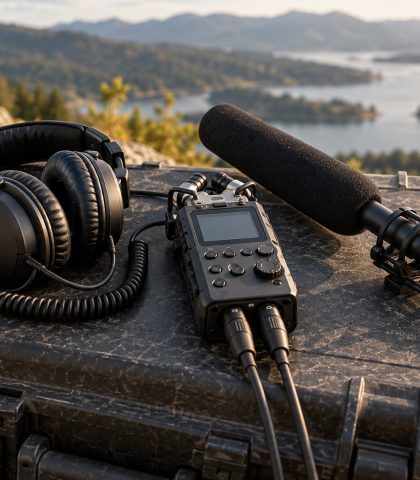
I once worked on a project where the client had recorded voiceover in a home office. The room tone was uneven, there was a low-frequency hum from an HVAC unit, and the mic placement had caused a nasty proximity effect. A good mix engineer using Pro Tools can clean up a lot, but there are limits. The audio post house we used brought the talent back in for ADR, matched the performance to the original, and saved the project. That experience taught me that having access to proper recording spaces and skilled engineers is not a luxury. It is a necessity.
What an Audio Post House Brings to Commercials and Trailers
Commercials and trailers live in a high-stakes environment. You have thirty seconds to capture a viewer's attention, deliver a message, and leave a lasting impression. Sound design plays a huge role in that. A well-placed whoosh, a perfectly timed door slam, or a subtle layer of texture underneath a voiceover can elevate a spot from forgettable to memorable. A dedicated audio post house employs sound designers who spend their careers crafting these moments. They know how to build tension, release it, and hit the emotional beats that visuals alone cannot reach.
For trailers, the stakes are even higher. The mix has to work in a Dolby Atmos cinema, on a phone speaker, and everywhere in between. That requires balancing dynamic range with intelligibility, and making sure the music, sound effects, and voiceover all sit together without stepping on each other. A skilled mix engineer at an audio post house will create a mix that translates across playback systems. They will also handle deliverables in multiple formats, from stereo to immersive, so your trailer sounds right wherever it plays.
Screen Projects Need More Than Just Dialog
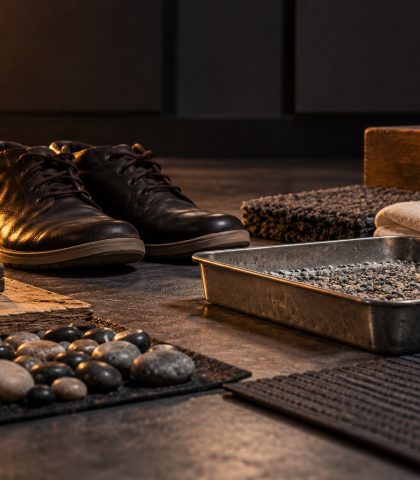
Feature films, short films, and episodic content rely on a full soundscape. Foley artists recreate footsteps, cloth movements, and prop sounds to match the picture. ADR replaces or augments dialog that was compromised on set. The music score weaves through scenes to underscore emotion. And the final mix brings all of those elements together into a cohesive soundtrack. Trying to manage all of that without a proper post-production studio is like trying to edit a movie on a phone. It can be done, but the results will show the shortcuts.
I have seen small indie projects try to save money by having the director also act as sound designer and mix engineer. It rarely ends well. The director is already exhausted from shooting and editing. Adding audio post to that workload leads to burnout, missed deadlines, and a mix that does not serve the story. Handing the audio to a specialized post-production studio frees the creative team to focus on what they do best, while the audio experts handle the technical and creative side of sound.
The Role of Technology and Experience
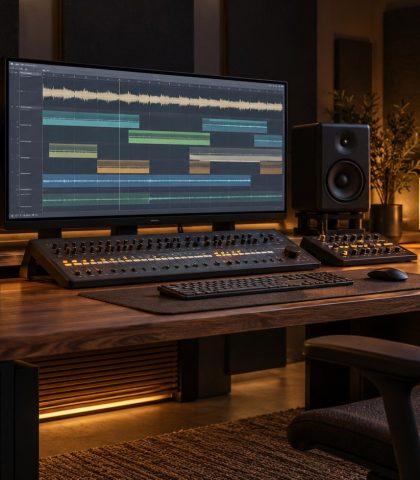
An audio post house is only as good as its tools and its people. Pro Tools remains the industry standard for editing and mixing, and most serious studios run it on Avid hardware. Dolby Atmos has become a requirement for many projects, from theatrical releases to streaming originals. A studio that invests in proper Atmos monitoring and workflows can deliver a mix that takes full advantage of the format. Beyond the gear, experience matters. A sound designer who has worked on dozens of trailers knows exactly how to build a sound that grabs attention in the first five seconds. A mix engineer who has handled hundreds of commercials can balance a voiceover and music in a way that feels effortless.
Los Angeles is home to some of the best audio post houses in the world. The concentration of talent, the history of film and music, and the constant demand for high-quality content have created an ecosystem where engineers and sound designers push each other to be better. If you are based in LA or working with an LA post-production studio, you have access to that expertise. Spacewalk Sound is one example of a studio that brings together sound design, music, voiceover, Foley, and mixing under one roof. That kind of full-service approach can streamline your workflow and keep your project on schedule.
Practical Advice for Choosing a Partner
When you are looking for an audio post house, start by listening to their work. A demo reel can tell you a lot about their style and capabilities. Ask about their experience with your type of project. A studio that specializes in commercials may not be the best fit for a feature film, and vice versa. Visit the studio if you can. The room itself matters. An untreated control room will give you a false sense of the mix. A properly calibrated room will let you hear what the audience will hear.
Communication is another factor. The best sound designers and mix engineers ask questions. They want to understand the story, the characters, and the emotional arc of each scene. They push back when something does not work. They collaborate. That kind of partnership turns good audio into great audio. It also saves time and money in the long run, because you catch problems early instead of fixing them after the mix is delivered.
A dedicated audio post house is not just a vendor. It is a creative partner that can elevate your project and help you connect with your audience. The right team brings technical skill, artistic judgment, and a deep understanding of how sound works in service of story. Whether you are working on a commercial, a trailer, or a screen project, investing in professional audio post is one of the smartest decisions you can make.